American manufacturers have announced more than 1.7 trillion dollars in new investment, from semiconductor fabs to battery plants. Yet factory output has been roughly flat since early 2023, and nearly half a million manufacturing jobs are unfilled.
The reshoring story is real, but a lot of it exists only in planning documents, and new lines take years to mature. For a mid-market manufacturer weighing a capital request right now, the cheapest capacity you can buy is the capacity you already own.
Should I invest in new capacity or optimize my existing footprint first?
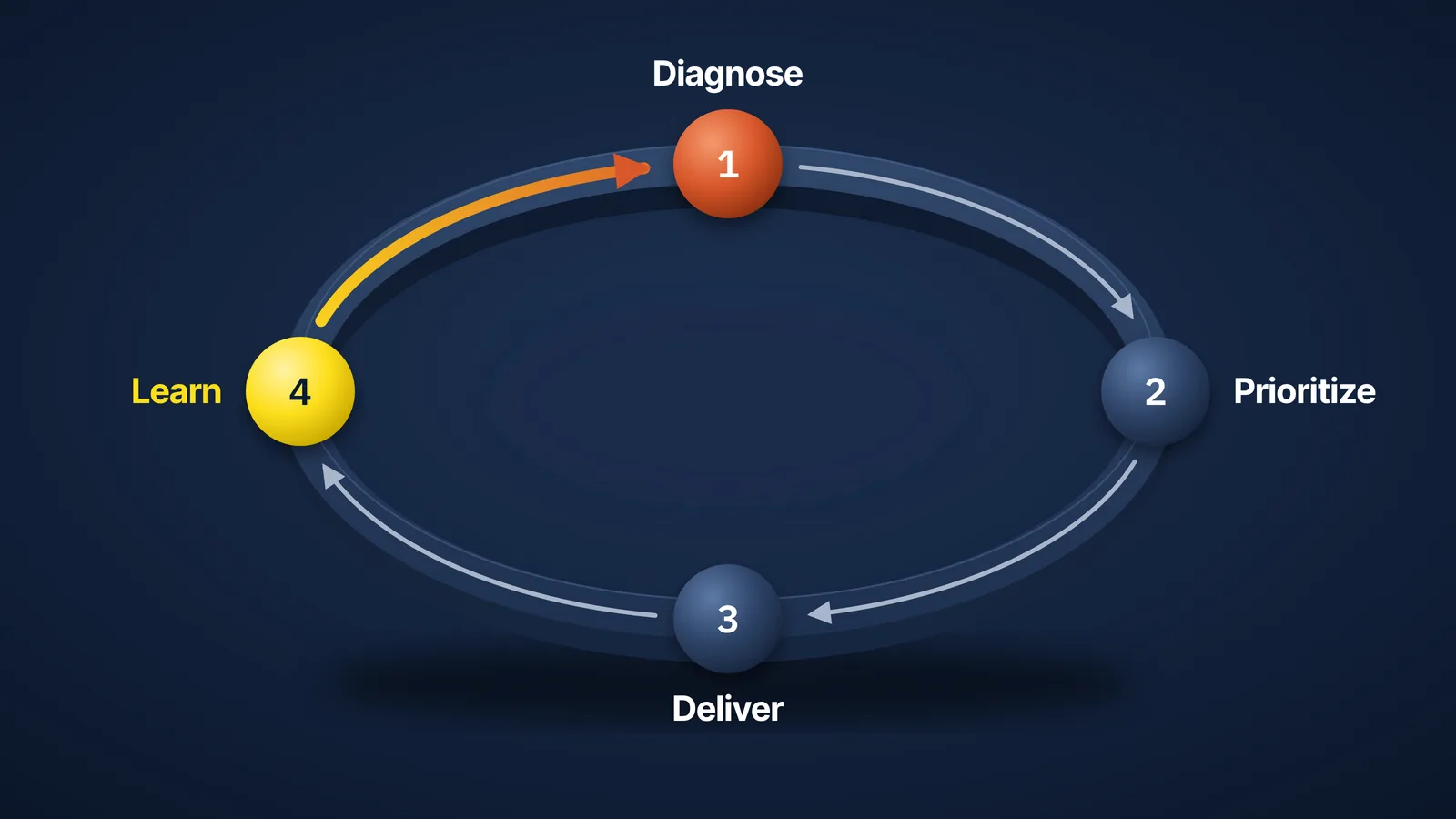
You cannot know until you can see your network at the machine level. Most manufacturers approve capital on a spreadsheet and a confident estimate, then discover the bottleneck was somewhere else entirely. The disciplined alternative is to model the existing footprint first, test consolidation and de-bottlenecking scenarios, and only then decide whether new capital is genuinely required.
This matters more in 2026 than it did five years ago. Labor has been the number one reshoring challenge for three straight years, and a new line you cannot staff is a liability with a depreciation schedule. Optimizing what you have sidesteps the labor problem because the people are already in place.
What a digital twin actually does
A digital twin is a simulation of your factory or network built from real machine-level data: cycle times, changeover rules, staffing patterns, and historical and forecast orders. It lets you test decisions before you make them. Where is the true bottleneck?
What happens if we consolidate three product lines into two focused factories? Which CAPEX scenario delivers the best return, and which simply moves the constraint downstream?
Because the model is built on actual data rather than assumptions, it de-risks the decision. You can see the capacity hiding in the network, quantify the cost of the current layout, and put a defensible number on each investment option before a dollar is committed.
A real example: 65 million dollars without the build
One manufacturing client could not model capital investment across its global plant network. There was no visibility into capacity by plant, machine-level data was obsolete, and the internal team lacked the analytical horsepower to fix it. We built a factory simulation of every plant at the machine level, fed by an input database drawn from historical and forecast orders, and stood up dashboards for utilization, cost, and throughput.
The model was built and deployed in 90 days. It showed the company could consolidate three product lines into two focused factories, which released more than 65 million dollars of one-time cash from the sale of a redundant facility plus ongoing margin.
Gross margin rose by 10 points. The build that leadership assumed they needed turned out to be a consolidation they had not seen.
When new capacity is the right answer
Sometimes the model confirms you do need to build, and that is a good outcome too, because now the decision is defensible to your board, your investors, and your lenders. Simulation biases toward spending with evidence, not toward never spending. The discipline is to simulate first and commit second, rather than the reverse.
Key points
- More than 1.7 trillion dollars in US manufacturing investment is announced, but output has been roughly flat since early 2023.
- Labor has been the top reshoring constraint for three years; a line you cannot staff is not real capacity.
- A digital twin models your network at the machine level so you can test consolidation and CAPEX scenarios before committing.
- One client released more than 65 million dollars in cash and 10 points of gross margin by consolidating, not building.
- Simulate first, commit second. The result is capital decisions you can defend.
Model your network before your next CAPEX committee
Quadrillion builds factory simulations and digital twins that turn capital decisions from instinct into evidence. Before your next committee meeting, find out how much capacity is already in your footprint and what the true return on each option looks like. The most expensive mistake in manufacturing is building capacity you already had.
About Quadrillion Partners
Plan. Operating, strategic, and value creation plans built by operators who have owned the AOP. In market in 60 to 90 days, ready for the board, investors, and lenders.
Execute. 90 to 180 day sprints against the single constraint limiting performance: digital and AI, go-to-market, throughput, or working capital. Success fees aligned to the EBITDA we deliver.
Embed. Interim CFO, CTO, Chief Transformation Officer, and FP&A leadership through the inflection: pre-sale prep, post-close integration, or a leadership gap. We hire your permanent successor before we step out.
Contact George Stelling, Managing Partner and CEO
Email: gstelling@quadrillionpartners.com | Phone: +1-214-301-5000
Web: www.quadrillionpartners.com
Is a plan slipping?
Start a conversation